
Get a clear look at the main types of minimally Invasive Cardiac Surgery in Guntur, what happens during the procedure, the advantages, and how long recovery usually takes. Helpful guidance for anyone considering treatment.
Minimally Invasive Cardiac Surgery in Guntur refers to a set of surgical techniques designed to treat heart conditions through small incisions rather than the large openings used in traditional open-heart procedures. These procedures often utilize advanced technology, such as robotic systems or catheter-based methods, to access the heart with less trauma.
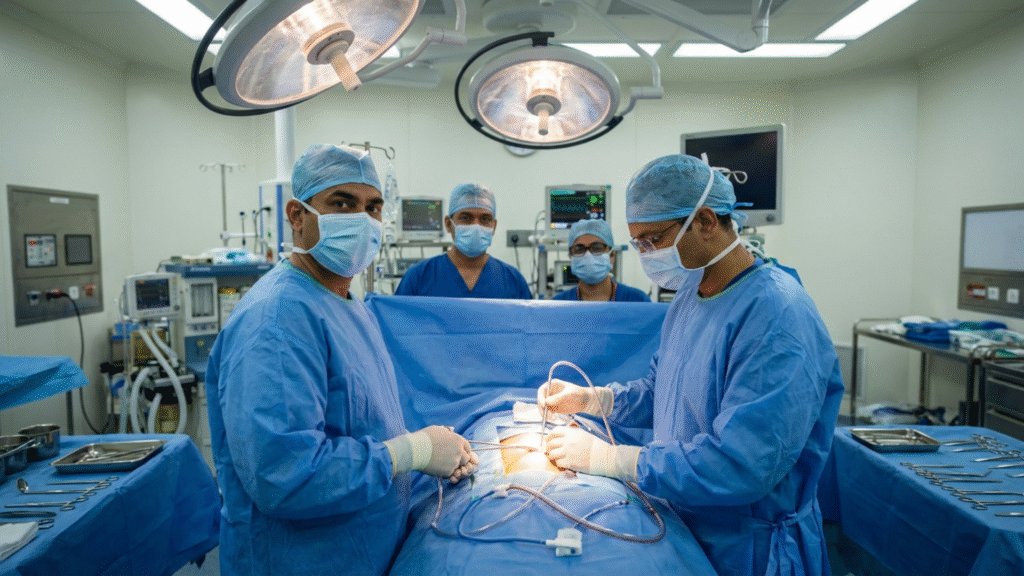
Unlike traditional open-heart surgery, which involves a large sternotomy (cutting through the breastbone), minimally invasive cardiac surgery uses smaller incisions, often between the ribs or through keyhole approaches. This results in less tissue disruption, reduced pain, and faster recovery times.
Over recent decades, technological innovations such as high-definition imaging, robotic assistance, and catheter-based interventions have significantly expanded the scope of minimally invasive cardiac surgery. These advancements have improved precision, safety, and outcomes, making complex procedures more accessible through less invasive methods.
Over recent decades, technological innovations such as high-definition imaging, robotic assistance, and catheter-based interventions have significantly expanded the scope of minimally invasive cardiac surgery in Guntur at Maruthi multi specialty Hospital. These advancements have improved precision, safety, and outcomes, making complex procedures more accessible through less invasive methods.
For eligible patients, minimally invasive cardiac surgery offers numerous benefits, including less pain, quicker recovery, and fewer complications. Consulting with a specialized cardiac surgeon is essential to determine if this approach aligns with the patient’s medical needs.
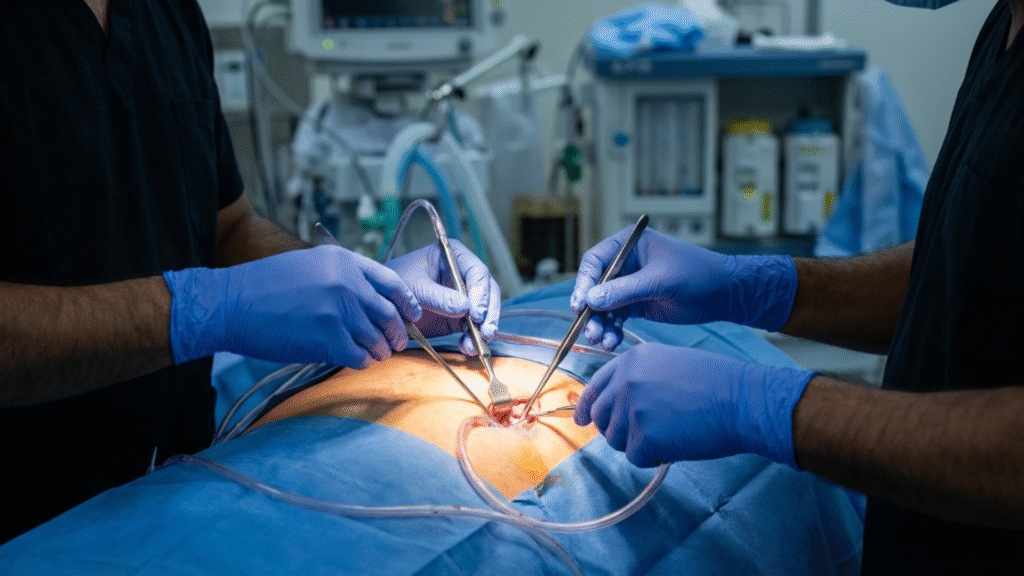
Several cardiac procedures can be performed minimally invasively, often with specialized approaches tailored to the condition being treated.
These procedures involve repairing or replacing malfunctioning heart valves through small incisions, often utilizing robotic assistance or transcatheter techniques, reducing the need for full sternotomy.
Minimally invasive CABG involves grafting arteries to bypass blocked coronary arteries through small chest incisions, sometimes using robotic systems or thoracotomies, avoiding the traditional sternotomy.
These congenital defects are often closed via catheter-based procedures or small thoracotomies, eliminating the need for open-heart surgery.
Additional procedures include atrial fibrillation ablation and certain arrhythmia treatments, often performed using catheter-based or robotic-assisted techniques.
Surgical Approaches and Access Points
Criteria for Selecting Specific Minimally Invasive Procedures
Selection depends on factors such as the patient’s anatomy, the severity of the condition, comorbidities, and the surgeon’s expertise. Not all patients or conditions are suitable for minimally invasive approaches.
Patients undergo thorough evaluations, including imaging studies (echocardiography, angiography), blood tests, and anesthesia assessments to ensure suitability.
Step-by-Step Overview of the Surgical Process
Role of Imaging and Intraoperative Monitoring
Real-time imaging (like transesophageal echocardiography) guides the procedure, ensuring accuracy and safety throughout.
Potential Risks and Limitations:
Patients are closely monitored in the intensive care unit for vital signs, pain management, and early signs of complications.
Typical Recovery Timeline
Minimally invasive cardiac surgery in Guntur: Regular follow-ups are essential to monitor heart health, and lifestyle changes such as diet, exercise, and smoking cessation are often recommended.
Tips for a Smooth Recovery:
Minimally invasive cardiac surgery in Guntur offers a promising alternative to traditional open-heart procedures, providing effective treatment with fewer risks and a quicker recovery. It is crucial for patients to consult with experienced cardiac surgeons to determine the most appropriate approach based on their specific condition. As technological advancements continue, the scope and success of minimally invasive cardiac treatments are expected to expand, offering hope for better outcomes and improved quality of life for many patients. If you are considering heart surgery, exploring minimally invasive options may lead to a more comfortable and efficient healing process.ini

Contact Number
9525257575
Address
Maruti Multispeciality Hospital,
3rd Line, Guntur Vari Thota, Old Club Road, Kothapet, Guntur – 522001.