
Varicose veins are bulging, twisted veins that typically occur on the legs and cause discomfort, pain, and heaviness. This article explains why they arise, the frequent symptoms, treatment choices, and simple steps you may take to manage them. Book your Varicose Veins Surgery in Guntur consultation today.
Varicose veins are swollen, twisted veins that can be seen just beneath the surface of the skin. They typically show as bulging, bluish, or dark purple veins and are most common on the legs. These veins form when the valves within the veins become weakened or broken, resulting in incorrect blood flow and pooling.
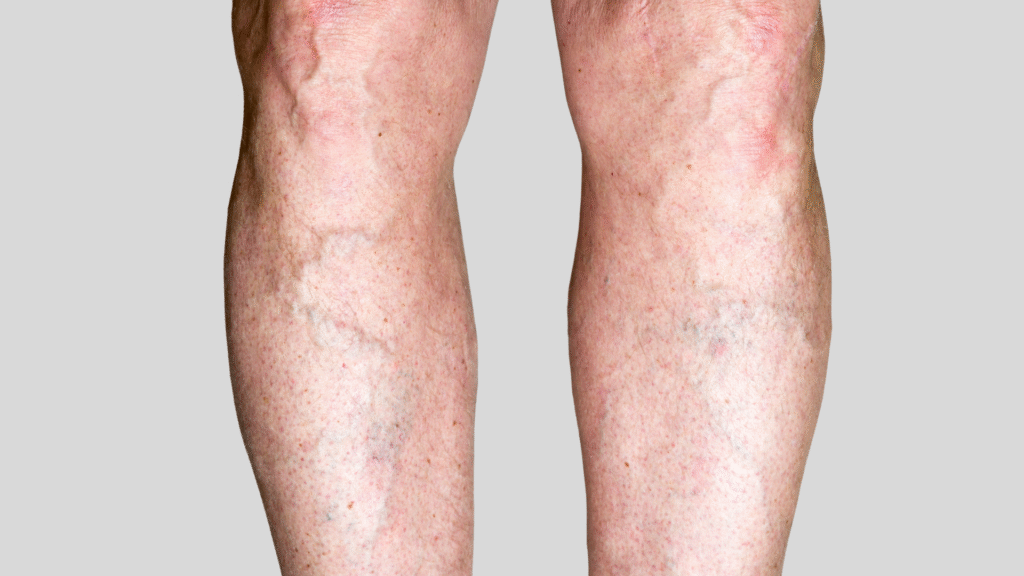
The human venous system uses one-way valves to keep blood flowing upward toward the heart. When these valves fail, blood can accumulate in the veins, causing them to stretch and become varicose. The increasing pressure within the veins leads them to expand, giving varicose veins their characteristic look and symptoms.
Varicose veins are most commonly found in the legs due to gravity, although they can also arise in the pelvis, esophagus (as varices), and rectum (hemorrhoids). The legs are especially vulnerable due of the constant pressure applied while standing and walking.
Varicose veins are a common disorder, affecting around 23% of adults worldwide. They are more common in women than in men, and their prevalence increases with age. Pregnancy, obesity, and a family history of the illness all contribute to an increased risk. Start your treatment journey with a trusted Varicose Veins Surgeon in Guntur.
The presence of twisted, protruding veins, which are frequently bluish or dark purple in color, is the most obvious indication. After extended periods of standing or physical exercise, these veins could become more noticeable.
Many people report that the afflicted limbs feel heavy, painful, or pulsating. Long stretches of standing or sitting can exacerbate pain, which frequently gets better with activity or elevation.
It is typical to have swelling around the calves and ankles. There may also be skin discoloration or dermatitis, as well as itching over the afflicted veins. Skin ulcers or dermatitis may appear in more severe situations.
Serious complications include venous ulcers open sores that develop near the ankles and bleeding from superficial varicose veins, which require immediate medical attention. Start your treatment journey with trusted Varicose Veins Surgery in Guntur experts.
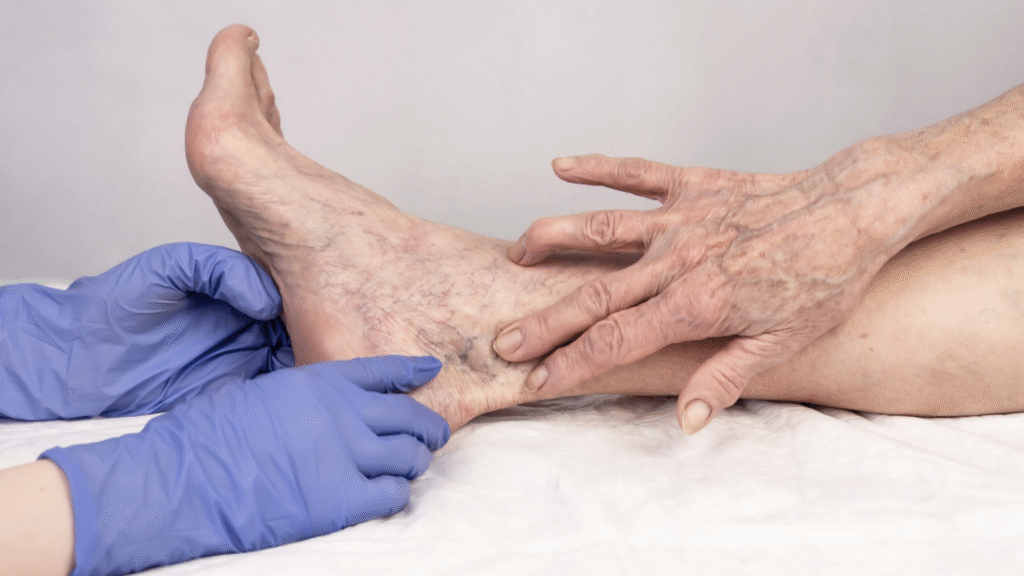
The primary cause of varicose veins is valve failure within the veins, leading to blood pooling and increased venous pressure. This results in vein dilation and the characteristic appearance of varicose veins.
Contributing Factors:
Genetics can predispose individuals to weaker vein walls. Age-related degeneration, pregnancy-related hormonal effects, and lifestyle factors like prolonged standing or obesity contribute to increased venous pressure and valve failure, elevating the risk of varicose veins.
Early recognition of varicose veins can prevent complications such as skin ulcers, bleeding, and chronic venous insufficiency. Timely intervention can improve symptoms, enhance quality of life, and reduce the need for more invasive procedures later. Talk to a specialist and see if Varicose Veins Surgery in Guntur is the right choice for you.
If you notice significant swelling, persistent pain, skin changes, or bleeding, consult a varicose veins vascular surgeon (Varicose Veins Surgery in Guntur). Early diagnosis and management are crucial to prevent complications.
Initial management often involves lifestyle modifications, such as wearing compression stockings, elevating legs, and maintaining a healthy weight. These measures can alleviate symptoms and slow progression.
Selecting an appropriate treatment depends on the severity of the condition, vein anatomy, patient health, and personal preferences. Book your Varicose Veins Surgery in Guntur consultation today. can help determine the most suitable approach.
Post-procedure, patients are advised to wear compression stockings, engage in regular activity, and follow medical advice to ensure optimal results and prevent recurrence.
Varicose veins are common vascular conditions characterized by enlarged, twisted veins, primarily affecting the legs. They result from valve malfunction and are influenced by genetic, hormonal, and lifestyle factors. Book your vein assessment and explore Varicose veins Surgery in Guntur.
Early detection and tailored treatment journey with trusted experts for Varicose Veins Surgery in Guntur, including minimally invasive procedures, can significantly improve symptoms and prevent complications.
If you experience varicose veins symptoms, such as visible twisted veins, pain, or skin changes, explore options for Varicose veins Surgery in Guntur with suitable treatment options.

Contact Number
9525257575
Address
Maruti Multispeciality Hospital,
3rd Line, Guntur Vari Thota, Old Club Road, Kothapet, Guntur – 522001.